Compliance & Safety
Emergency Fire Watch
Certified, fully documented fire watch that keeps your doors open and your facility compliant when sprinklers, alarms, or systems go offline.
When a fire protection system is impaired — a sprinkler shutdown, an alarm failure, or hot work on site — the Fire Marshal requires a dedicated fire watch to keep the building occupied legally. A lapse doesn't just risk lives; it can trigger costly fines and force you to close. Diligence Security stands up compliant fire watch quickly, so operations continue safely.
Documentation that satisfies Inspectors
Fire watch is only valid if it's properly logged. Our Fire Watch Officers patrol the affected areas at required intervals, watch for signs of smoke and fire, keep egress paths clear, and maintain a detailed, timestamped log that satisfies Fire Marshal, insurance, and regulatory requirements. We meet or exceed the requirements set forth by the applicable fire department for every assignment. If the worst happens, our Officers are trained to alert occupants and emergency services immediately.
- Continuous patrols of impaired or high-risk areas at code-required intervals
- Detailed written logs prepared for Fire Marshal review
- Hot-work fire watch for welding, cutting, and construction
- Coverage during sprinkler, standpipe, and alarm impairments
- Immediate notification and evacuation protocols
What triggers a Fire Watch
A Fire Watch is ordered when the protection a building normally relies on is not working, or when work on site creates a fire risk the systems cannot cover on their own. The most common triggers are:
- Sprinkler impairment — a drained riser, a broken pipe, a frozen line, or a valve closed for repair
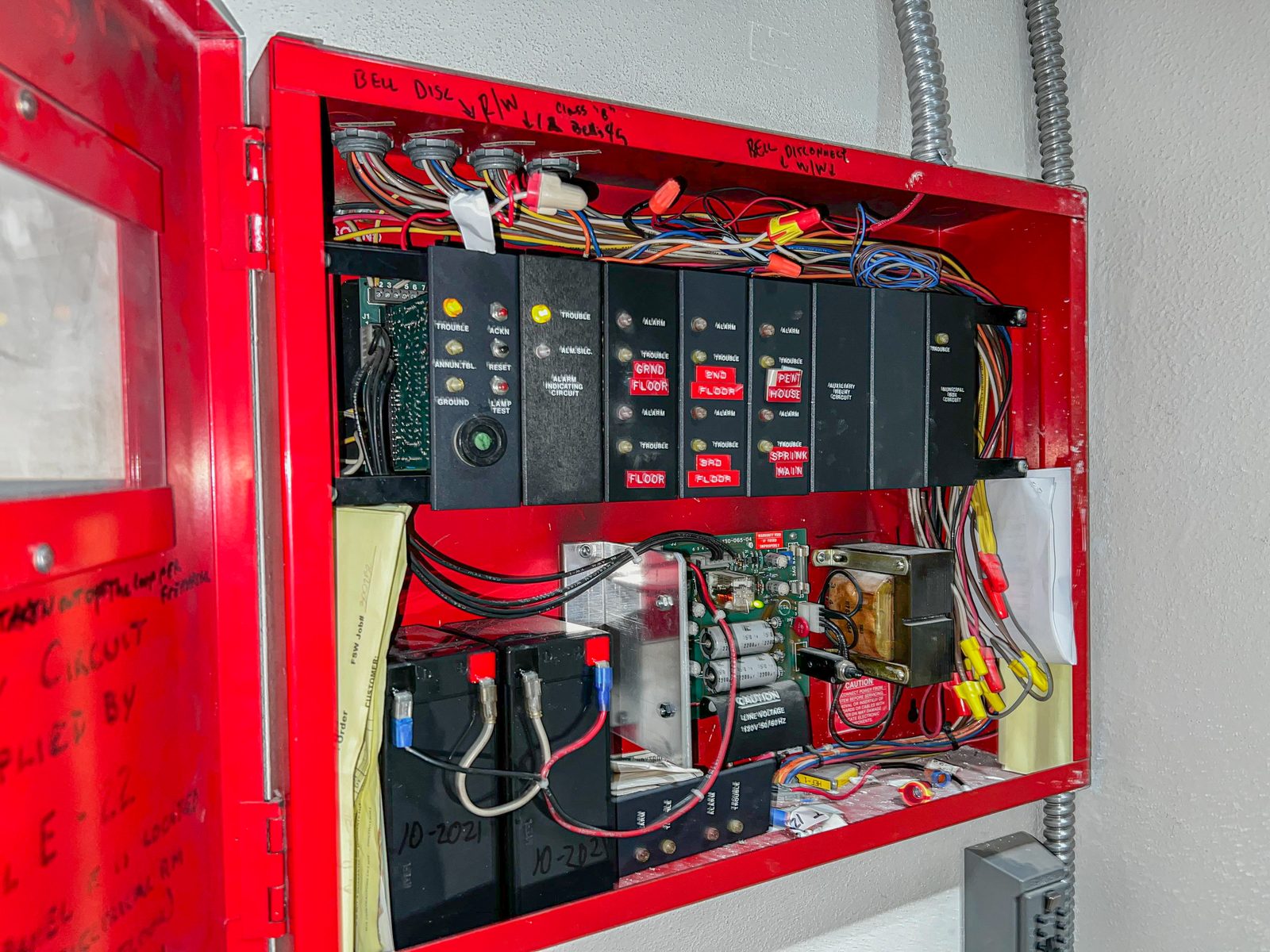
- Fire alarm failure — a panel in trouble, a failed inspection, or a communication loss to monitoring
- Planned system shutdowns — tenant improvements, panel replacements, or sprinkler modifications
- Hot work — welding, cutting, torch-applied roofing, and grinding, including the watch period after work stops
- Construction and renovation — occupied buildings where detection or suppression is temporarily offline
- After a fire or water event — while systems are inspected and restored
Where the requirement comes from
Washington adopts the International Fire Code statewide through the State Building Code (WAC 51-54A), and local fire departments enforce it. The code's "Systems out of service" provisions (Section 901.7) require the building owner to notify the fire code official when a required fire protection system is impaired, and the official can require the building to be evacuated or an approved Fire Watch provided until the system is restored. The fire code official — usually the local Fire Marshal — sets the conditions, including how often the Officer must patrol. For a plain-language overview, see our guide to Fire Watch Requirements in Washington State.
What a compliant Fire Watch log contains
- Property address, the impaired system, and the reason for the watch
- The Officer's name and the start and end time of every shift
- The time and route of every patrol round, on the interval the fire code official set
- Conditions observed on each round — smoke, heat, ignition sources, blocked exits, extinguisher status
- Any notifications made to the fire department, the owner, or occupants
- The time the system was certified back into service and the watch ended
Patrol interval options
The interval is set by the fire code official or your inspector, not by us. Rounds every 15 to 30 minutes are common, and larger buildings may need more than one Officer to cover every floor within that interval. We staff to the interval required — never a convenient one — and we will tell you up front if your building needs more than one Officer to meet it.
How dispatch works
Fire-system failures rarely happen at convenient times, which is why Fire Watch is closely tied to our 24/7 Emergency Response. Rather than pulling Supervisors off other posts, Diligence Security maintains a dedicated Fire Watch Officer Team, so we deploy a certified Fire Watch Officer as soon as possible and confirm a realistic arrival time on the first call. Coverage runs continuously — nights, weekends, and holidays — until the system is certified back into service.
What to have ready when you call
- The property address and the best entrance for the Officer
- Which system is impaired and which areas it covers
- The patrol interval and any conditions from the Fire Marshal or inspector
- The expected repair timeline and your contractor's contact
- An on-site contact for keys, access, and the alarm panel
Fire Watch across the Puget Sound
Our Fire Watch Officers serve building owners, property managers, and general contractors across Seattle, Tacoma, Bellevue, Kent, Everett, Kirkland, Renton, Puyallup, and every other city in our five-county Puget Sound service area. Learn more about avoiding penalties in Avoiding Costly Fire Watch Fines in Western Washington.
Emergency Fire Watch FAQ
When is a Fire Watch required?
- Generally when a required sprinkler, fire alarm, or standpipe system is out of service, during hot work, and in some construction or post-fire situations. The local fire code official decides whether a watch is required and sets its conditions.
How fast can a Fire Watch Officer arrive?
- We deploy as soon as possible and confirm a realistic arrival time when you call (253) 227-3565, any time of day or night.
How often does the Officer patrol?
- On the interval the fire code official or inspector sets — commonly every 15 to 30 minutes. Every round is logged.
Will your logs satisfy the Fire Marshal?
- Our logs record the time, route, Officer, and conditions for every round, and we provide the complete record on request for the Fire Marshal, your insurer, or your contractor.
Can one Officer cover my whole building?
- It depends on the size of the impaired area and the required interval. If one Officer cannot cover every area in time, we will tell you and staff accordingly.
How long does a Fire Watch last?
- Until the impaired system is repaired and certified back into service, or until the fire code official releases the requirement.
Do you cover hot work Fire Watch?
- Yes — during welding, cutting, and roofing, and through the post-work watch period the code or the permit requires.
How much does Fire Watch cost?
- Cost depends on the number of Officers, total hours, and the required interval. Call (253) 227-3565 for a quote on the actual post.
Diligence is in our name and in our work. Every Fire Watch Officer is Diligent by design — logging every 15 to 30 minutes, watching hot-work reflash windows, and documenting to a standard the Fire Marshal is prepared to audit. That is why Clients trust us to keep their doors open during an impairment.
Protect your people with a Team you can trust and verify.
Request a professional site evaluation or immediate emergency deployment. Local Supervisors respond fast across the Puget Sound.
Fire Watch Security Guard Services
Fire watch security guard services provide the required human observation when fire alarm, sprinkler or related protection is impaired and the fire authority orders a watch. Officers conduct assigned rounds, remain alert for smoke and fire, call 911 when necessary and maintain the Fire Watch log.
Firewatch security is not a routine property Patrol under another name. The local fire code official determines the coverage, interval and termination conditions, and our Officers follow those directions.
Security Coverage Questions
What do fire watch security guard services include?
- Officers perform the directed rounds, watch for hazardous conditions, notify emergency services when needed and document each round in the required log.
Related Security Coverage
- For firewatch security seattle wa, see the dedicated coverage page.
- For firewatch security guard kent wa, see the dedicated coverage page.
- For firewatch security seattle wa, see the dedicated coverage page.