Logistics & Industrial
Security for Logistics & Industrial Operations
Freight moves around the clock, and so do the people who target it. We staff gates, verify seals, and patrol trailer yards with Officers trained to document everything they see.
Where We Work
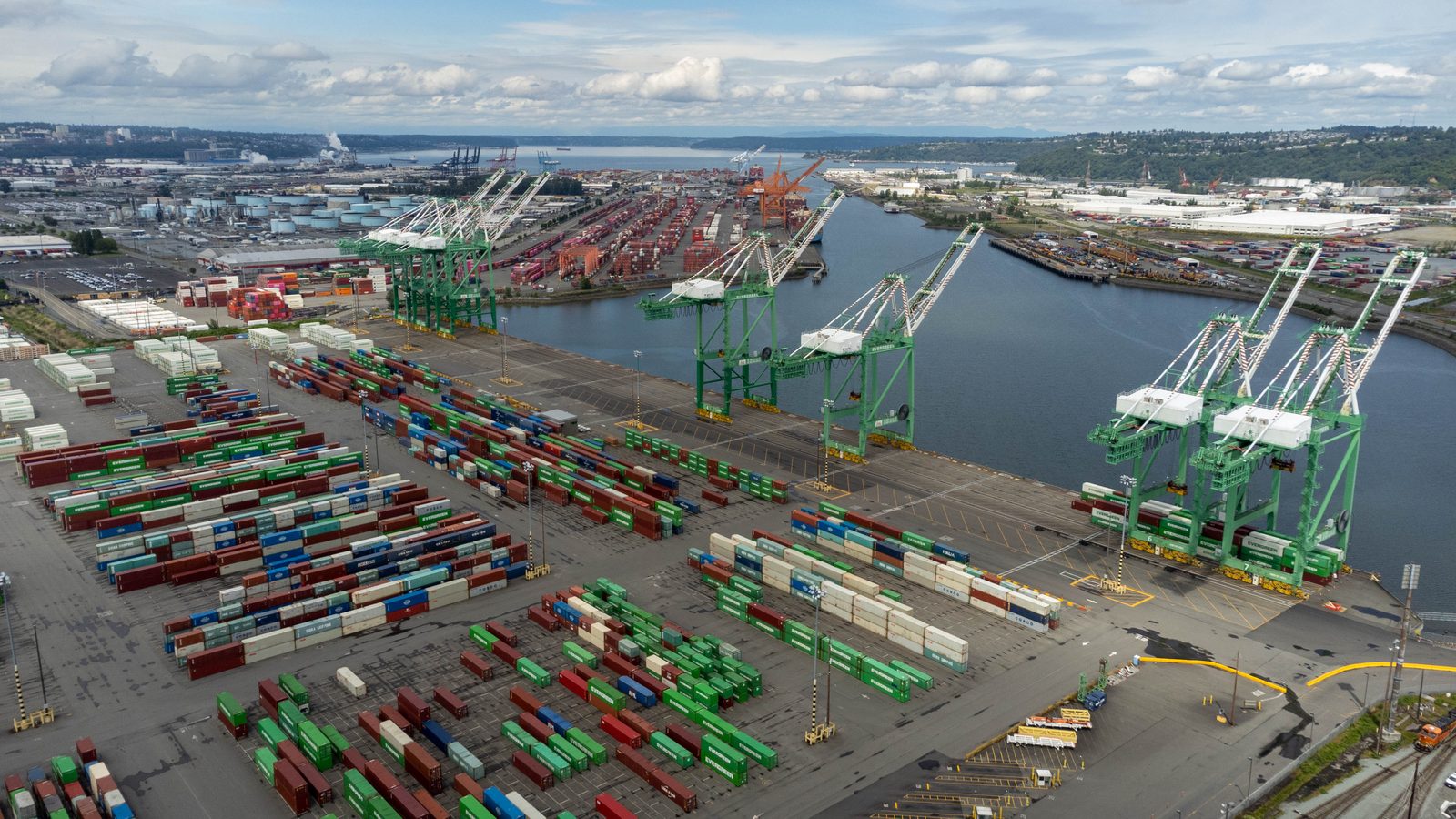
The industrial corridor between Seattle and Tacoma is one of the densest freight networks on the West Coast. We protect yards, cross-docks, and cold-storage facilities throughout the Commercial & Industrial Zones, including the Kent Valley, Fife, Sumner, and the Port of Tacoma tideflats.
The Risks We Plan Around
- Trailer and cargo theft during shift-change gaps and holiday shutdowns
- Copper, catalytic converter, and fuel theft from parked fleet equipment
- Unauthorized drivers and tailgating at unmanned gates
- Encampment activity and dumping along long, unlit fence lines
How We Staff It
Most logistics Clients start with a Mobile Patrol program on randomized routes, then add a fixed On-site Security post or a Gate Officer during receiving hours. Officers log seal numbers, gate activity, and equipment counts in digital reports your Team receives the same shift — the documentation insurers and loss-prevention managers actually ask for.
Yard sizes change with the season. Our Supervisors scale coverage up for peak freight and back down when the docks quiet, and our 24/7 Emergency Services line covers break-ins, alarm response, and gate failures at 3 a.m.
What Actually Disappears From a Puget Sound Freight Yard
Cargo loss in this corridor is rarely opportunistic vandalism. It targets what moves quickly and resells without questions: full trailer loads, fuel drawn from parked tractors, batteries, catalytic converters, copper and non-ferrous metal, pallet jacks, and hand tools. Because facilities here run large, the practical exposure is almost always the yard rather than the building — trailers staged for hours or days, containers in open storage, and chassis parked in rows that cannot be inventoried by looking at them. A dock door alarm tells you about a breach after it happens; a documented yard sweep tells you a seal was broken before the load leaves the property.
Seal Integrity, Yard Checks, and Gate Discipline
Our Officers work these sites to a specific standard rather than a general one. They verify seal numbers against paperwork, note trailers repositioned without authorization, walk fence fabric looking for cuts and pulled-back sections, check that gates latch and lock rather than merely close, and photograph and timestamp every discrepancy at the moment it is found — not at shift change, and not verbally. At facilities with continuous freight movement, a Gate Officer confirms driver identity and carrier authorization against the day's scheduled appointments instead of waving a truck through because it is idling at the gate.
Why Randomized Timing Beats Higher Frequency
A patrol that arrives at the same time each night is a schedule someone can plan around. Two visits on an unpredictable schedule frequently deter more than four on a predictable one. Every route we run is randomized and documented, so a Client can demonstrate coverage to an insurer or a corporate loss-prevention team rather than assert it, and Supervisors conduct unannounced checks so the standard does not drift after an account settles into routine.
Fire Watch for Warehouse Impairments
High-piled storage, cold storage, and racked warehouse space are exactly the occupancies where a sprinkler impairment becomes an immediate code and insurance problem. When a system goes down for repair, tie-in, or seismic work, a Fire Marshal or carrier will typically require continuous Fire Watch before the building can stay occupied. Our Officers are certified through the Officer Integration Program, run 15-to-30-minute patrol logs to Fire-Marshal standard, and hold coverage until systems return to service — usually deployed the same day, because our headquarters sits in Puyallup in the middle of this corridor.
Officers Trained Beyond the State Minimum
Logistics security is detail work: appointment verification, credential checks, seal numbers, and reports precise enough to survive a loss investigation. Every Officer completes 13 days of structured training through our Officer Integration Program against Washington's 8-hour licensing minimum, weighted toward de-escalation, the limits of lawful authority, Fire Watch certification, and documentation discipline. Officers are unarmed and uniformed by design — at a gate, the job is verifying and de-escalating, not confronting.
Logistics & Industrial Security Questions, Answered
- Do you provide Gate Officers for distribution centers and freight terminals?
- Yes. At facilities with continuous freight movement the gate is the control point. Gate Officers verify driver identity and carrier authorization, confirm arrivals against the day's scheduled appointments, check seal numbers, and log every movement with a timestamp.
- How quickly can you cover a sprinkler impairment in a warehouse?
- Same day in most cases. Our headquarters is in Puyallup, in the middle of the Kent-Fife-Sumner-Tacoma freight corridor. Certified Fire Watch Officers run 15-to-30-minute patrol logs to Fire-Marshal standard and hold coverage until systems return to service.
- Is Mobile Patrol enough for a large warehouse yard, or do we need a dedicated Officer?
- It depends on freight volume. Sites with continuous gate traffic need an On-site Gate Officer. Sites that go quiet overnight are usually well served by randomized Mobile Patrols at a fraction of the cost, and we recommend the option that fits the site’s actual operating needs.
- Can you scale coverage up for peak freight season?
- Yes. Yard volume changes with the season, so Supervisors scale coverage up for peak freight and back down when the docks quiet. Clients are not locked into staffing built for their busiest six weeks.
- Are your patrol routes verified, and what reporting do we get?
- Routes are documented and randomized by design, with every stop timestamped. Officers log seal numbers, gate activity, equipment counts, and photographed discrepancies in digital reports your Team receives the same shift.
- Which industrial areas do you cover?
- The full corridor: the Kent Valley, SODO, Fife, Sumner, Auburn, the Port of Tacoma tideflats, and the JBLM logistics area, plus industrial parcels in Bremerton and across Snohomish County.
Protect your people with a Team you can trust and verify.
Request a professional site evaluation or immediate emergency deployment. Local Supervisors respond fast across the Puget Sound.