Commercial Security
Windstorm Power Outages: Protecting Your Property When Fire and Security Systems Go Dark
Windstorm outages can drain fire alarm backup and take cameras offline. Plan Fire Watch and Patrol coverage — call (253) 227-3565, we answer 24/7.
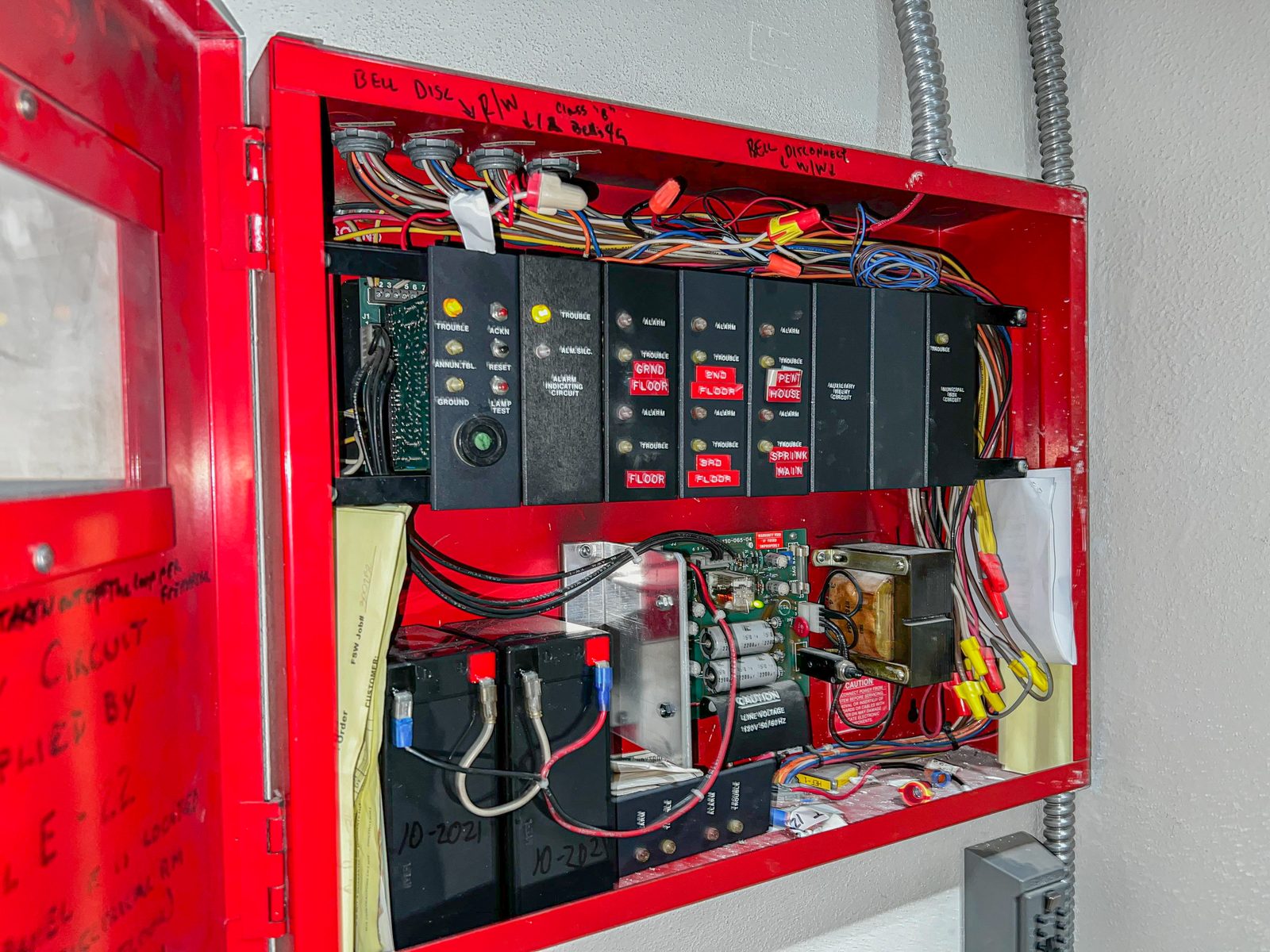
Windstorm season in Western Washington brings long power outages. A building that loses power for a day or more can lose its fire alarm, its cameras, its access control, and its lighting. Each failure creates a different problem, and the time to plan for them is before the storm arrives.
This guide explains what typically fails during an extended outage, when the Fire Marshal may require a Fire Watch, and how a documented Patrol can protect a property while systems are down.
How Long Puget Sound Outages Can Last
Major windstorms do not produce short outages. During the November 2024 bomb cyclone, outages in Western Washington topped 640,000 customers, and Puget Sound Energy said it could be several days before power was fully restored (KUOW).
The state climatologist's October outlook points to a warmer-than-normal early winter as El Niño strengthens (Washington State Climate Office). That outlook covers temperature and snowpack. It does not remove the risk of a windstorm, and a property plan should assume a multi-day outage is possible.
What Fails First When the Power Goes Out
Fire alarm systems. Fire alarm panels run on battery backup during an outage, but that backup is sized for a limited period. NFPA 72 sets the secondary power capacity for a typical building system at a minimum of 24 hours of standby followed by 5 minutes in alarm (Security Sales & Integration). Older batteries may not deliver their rated capacity. Once the batteries are exhausted, the system cannot detect a fire or alert occupants.
Sprinkler support equipment. Sprinkler piping does not need power, but fire pumps, air compressors on dry systems, and heated enclosures may. A dry pipe valve room or an exposed riser that loses heat can freeze even in a mild winter. The National Fire Sprinkler Association recommends keeping sprinkler piping at a minimum of 40°F (NFSA).
Cameras, access control, and lighting. Many camera systems, card readers, and gate operators have little or no backup power. When they go dark, a property loses its recorded footage, its controlled entries, and its lit parking areas at the same time. Dark, unmonitored buildings attract trespass, theft, and vandalism.
When an Outage Becomes a Fire Watch Requirement
Under most fire codes, fire protection systems must remain operative at all times. When a system is out of service, the property owner or responsible party notifies the fire official, who decides whether an imminent hazard exists. If it does, the building must be evacuated or an approved Fire Watch must be provided until the impairment is resolved (Fire Engineering).
A Fire Watch has one job: constant patrols of the affected areas to look for fire. The person on watch must have at least one means of contacting the fire department and may not perform other duties (Fire Engineering). Washington jurisdictions apply the International Fire Code, and the local Fire Marshal sets the patrol interval and log requirements. Our Fire Watch Requirements in Washington guide covers those expectations in detail.
The same guidance lists who should be notified when a system is impaired: the fire department, the insurance carrier, the alarm company, the building owner or manager, and supervisors in affected areas. Name the person responsible for these calls before the storm. If no one is designated, that responsibility falls to the property owner.
Build an Outage Plan Before the Storm
A short written plan makes the first hours of an outage orderly. Review these items with your facilities Team now:
- Know your battery runtime. Ask your alarm vendor how long your fire alarm panel will run on battery and when the batteries were last tested or replaced.
- List what loses power. Identify which cameras, card readers, gates, fire pumps, and heated enclosures depend on utility power or a generator.
- Name an impairment contact. Decide who calls the fire department, insurance carrier, and alarm company if the fire alarm goes down.
- Keep keys and access current. Make sure the people who may respond after hours can reach risers, panels, and mechanical rooms.
- Arrange coverage in advance. Have a security provider's 24/7 number on file and share your Site Instructions before you need them.
How Diligence Security Supports Properties During an Outage
When fire protection is impaired, our Emergency Fire Watch Officers patrol the affected areas on the interval the Fire Marshal sets and log each round: time, areas covered, conditions observed, and action taken. The log goes to the Client and, when requested, to the Fire Marshal. Our dispatch line is staffed around the clock through our 24/7 Emergency Services, and we deploy as soon as possible after a confirmed request.
When cameras and access control are down, a visible Officer replaces the deterrence the property has lost. Mobile Patrol Officers check perimeters, doors, docks, and parking areas, and document what they find. For sites that need a constant presence, an On-site Security Officer can control entry until systems are restored.
Every Officer is trained through our Officer Integration Program, which goes beyond Washington's state minimum, and works from written Site Instructions specific to your property.
Plan Coverage Before the Next Windstorm
The best time to arrange outage coverage is before the forecast turns. Contact our Team to review your property and set up a coverage plan, or call (253) 227-3565 — we answer 24/7 if an outage has already taken your systems down.
Talk to a local security Team
Diligence Security protects commercial, industrial, and residential properties across the Puget Sound. Explore our Security services — from Mobile Patrols to Emergency Fire Watch — or see the Areas we serve. Ready to talk? Contact us for a site evaluation.