
Commercial Security
Unarmed vs. Armed Security: Benefits for Your Business
Compare the benefits of unarmed Security Officers for deterrence, de-escalation, and daily operations—and understand when armed protection needs separate consideration.
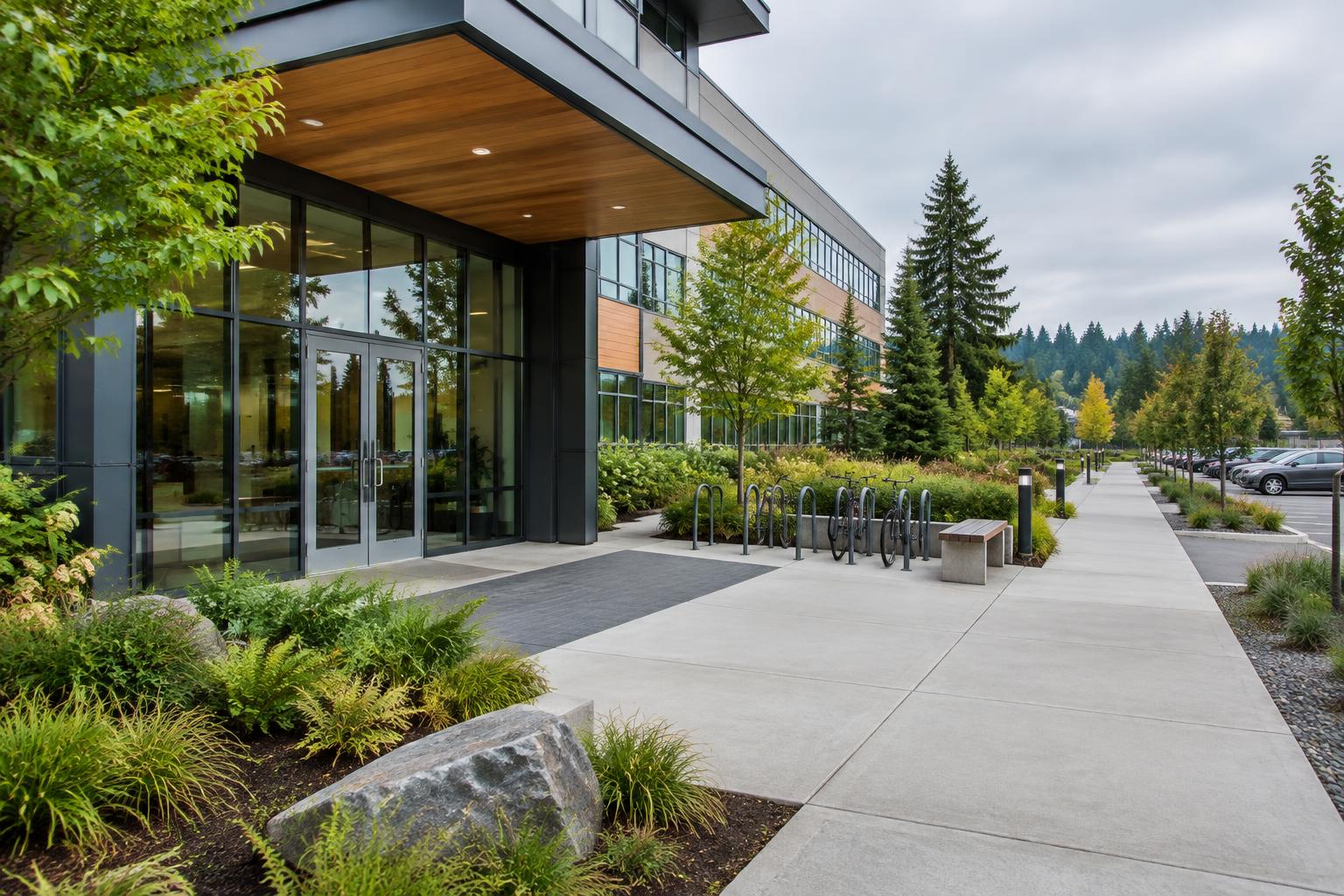
Unarmed security can be a strong choice when your property needs visible deterrence, access control, professional communication, and documented reporting. Those benefits come from trained Officers and a disciplined coverage plan—not from a firearm. Armed security may be appropriate when a risk assessment identifies a credible violent threat or a specific protective need. The right choice depends on the work your Security Team must perform, the people using the property, and the risks they face.
Diligence Security provides unarmed Security Officers across the Puget Sound. This comparison explains where that approach adds value and where a Client should seek a separate assessment of armed protection.
Visible Deterrence Without a Firearm
A professional presence makes property rules visible and gives staff and visitors someone to contact.
A uniformed Officer at an entrance, an attentive foot patrol, or a marked vehicle checking parking areas can discourage opportunistic activity. The useful distinction is not simply armed versus unarmed: it is whether the Officer is positioned where coverage matters and knows what to observe. Dedicated On-site Security Officers can manage entry procedures, while Mobile Patrol Officers check designated areas and document conditions. Neither approach guarantees that crime will not occur.
De-Escalation That Fits Everyday Problems
Clear directions, calm communication, and sound judgment are practical tools for resolving routine disputes.
An unauthorized visitor, a disagreement about parking, or a frustrated customer does not automatically require physical intervention. An Officer can explain the rule, offer a permitted next step, maintain distance, and request assistance when necessary. Our approach emphasizes verbal de-escalation, observation, and reporting. Armed Officers also need these skills; carrying—or not carrying—a firearm is not a substitute for training. If an immediate threat develops, life safety and calling 911 take priority over trying to resolve it alone.
A Professional, Welcoming Presence
Security can support a business environment without making a firearm part of routine visitor interactions.
Office entrances, retail properties, residential communities, and event venues need clear boundaries as well as courteous service. Unarmed Officers can verify visitor access, direct deliveries, support staff, and communicate property expectations. For a Client that wants an approachable presence, this can be an operational advantage. Visitor reactions vary, so the uniform, conduct, and assigned responsibilities still need to fit the setting.
Avoiding Firearm-Specific Exposure
An unarmed assignment does not introduce an on-duty security firearm into the property's operations.
That removes firearm handling, retention, and discharge from the assigned Officer's duties. It does not eliminate liability, make all confrontations safe, or guarantee lower insurance premiums. Unarmed programs still require lawful conduct, supervision, appropriate equipment, and clear emergency procedures. Clients should review insurance coverage and contract responsibilities with qualified advisers rather than assume one staffing model automatically reduces every risk.
Coverage Built Around the Actual Work
Start with the required tasks and coverage hours—not the assumption that more equipment means better protection.
A warehouse may need gate checks and delivery records. A commercial property may need closing checks and parking-area Patrols. A construction site may need access control and theft deterrence. Unarmed coverage can address these duties when the site's risk assessment supports that choice. Compare proposals using the same hours, responsibilities, reporting expectations, and supervision. Pricing varies by assignment; there is no universal savings percentage, and Diligence Security quotes coverage after discussing the need.
Training Matters More Than the Label
Evaluate what an Officer has learned and how that preparation translates into performance at your property.
Our Officer Integration Program (OIP) emphasizes observation, de-escalation, legal limits of authority, emergency procedures, and documented reporting beyond the state minimum. Universal Post Orders #1–#4 apply across assignments; property-specific Site Instructions define access rules, checks, contacts, and reporting requirements. Digital Patrol Logs, timestamps, photographs where relevant, written incident reports, and Supervisor review support accountability. Those practices make an unarmed service more than a person standing at a door.
When Armed Security May Be Appropriate
A credible violent threat deserves a threat-specific assessment, not a blanket recommendation for unarmed coverage.
Targeted threats, certain high-value operations, or protective assignments may warrant consideration of armed personnel alongside access controls, emergency planning, and law-enforcement coordination. A firearm alone does not make a plan adequate. In Washington, an armed private Security Guard must be at least 21 and hold a current firearms certificate issued by the Washington State Criminal Justice Training Commission, according to the Washington Department of Licensing's armed licensing requirements. Diligence Security is an unarmed provider; our services should not be treated as a replacement for protection that a qualified assessment determines must be armed.
Questions to Ask Before Choosing Coverage
A useful proposal connects the property's risks to specific duties and a clear response plan.
- Which incidents or access problems are we trying to address?
- Where and when does an Officer need to be present?
- What training, supervision, and reporting will support the assignment?
- When must an Officer disengage, call 911, or notify the Client?
- Does the threat assessment support unarmed coverage, or require an armed specialist?
For businesses whose needs center on presence, communication, access control, and documentation, trained unarmed Officers offer a practical way to support daily operations. Discuss your property with our Security Team to determine whether On-site Officers or Mobile Patrols fit the assignment.
Frequently Asked Questions
Can Unarmed Officers Provide Effective Deterrence?
A visible, attentive Officer can discourage opportunistic activity and reinforce access rules. Effectiveness depends on placement, training, coverage hours, and the site's risks; no security service guarantees crime prevention.
Is Unarmed Security Always Cheaper Than Armed Security?
No universal price comparison applies. Rates depend on duties, hours, staffing, training, and site conditions. Compare equivalent proposals and discuss coverage with the Security Team rather than assume a fixed discount.
Does Unarmed Mean Untrained or Unequipped?
No. Unarmed means the assignment does not include an on-duty firearm. Training, authorized equipment, communication, and emergency procedures remain important. Diligence Security emphasizes these through the Officer Integration Program.
Does Diligence Security Offer Armed Security?
Diligence Security provides unarmed Security Officers. If a site's assessed threat requires armed protection, unarmed services should not be substituted for that requirement.
Talk to a local security Team
Diligence Security protects commercial, industrial, and residential properties across the Puget Sound. Explore our Security services — from Mobile Patrols to Emergency Fire Watch — or see the Areas we serve. Ready to talk? Contact us for a site evaluation.